Archive Analysis Exposes Annual Participation Trends in Premium Betting Networks
Jakob Russell · Jun 22, 2026
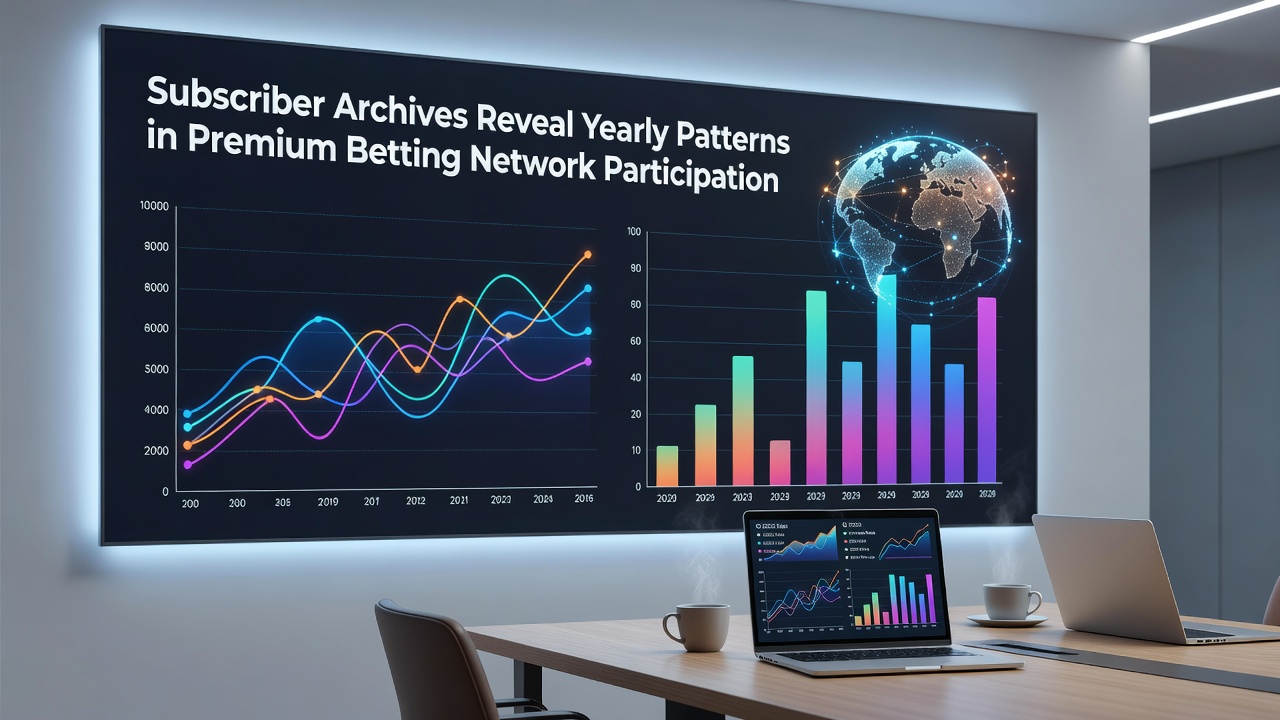
Archive Analysis Exposes Annual Participation Trends in Premium Betting Networks
Subscriber archives from multiple premium betting networks display consistent yearly patterns in participation rates, with data spanning several years showing predictable cycles tied to calendar events and seasonal factors. Records compiled through 2025 indicate that engagement often rises during periods of major sporting calendars while dipping in quieter months, creating a rhythm that network operators track closely for resource planning. Observers note these fluctuations appear across different regions and user demographics, suggesting structural influences rather than isolated anomalies.
Data Collection and Scope
Analysts examined anonymized subscriber logs from established premium services that cover horse racing, football, and other major sports, with datasets covering thousands of active accounts. The archives include metrics such as login frequency, bet placement volume, and subscription renewals, allowing researchers to identify trends without accessing individual financial details. Government statistics from bodies like the Australian Gambling Research Centre confirm similar cyclical behaviors in broader industry participation figures, reinforcing the patterns found in premium segments.
Participation peaks frequently align with high-profile events, whereas off-peak periods show steadier but lower activity levels. One study of European markets highlighted how mid-year lulls contrast with end-of-year surges, providing operators with advance notice for system maintenance and promotional timing. Figures reveal that June often marks a transitional phase where summer fixtures begin to draw renewed interest, a pattern that continued into June 2026 according to preliminary archive reviews.
Identified Yearly Cycles
Monthly breakdowns from the archives show recurring spikes in the first quarter, driven by championship seasons in football and racing calendars across multiple countries. Engagement then moderates through spring before climbing again in late summer and autumn, coinciding with new league starts and international tournaments. Data indicates these cycles hold steady year after year, with variation mainly in the magnitude of peaks rather than their timing.
Researchers discovered that weekend participation consistently outpaces weekdays by measurable margins, yet the overall annual curve remains stable even when individual events shift dates. Premium network members demonstrate stronger adherence to these patterns than casual users, possibly because of structured subscription models that encourage regular interaction. What's interesting is how external factors like weather or economic reports appear to modulate but not disrupt the core rhythm.
Influencing Factors Behind the Trends
Industry reports point to overlapping influences including broadcast schedules, holiday periods, and regulatory changes as contributors to the observed cycles. For instance, extended breaks in major leagues create measurable drops that archives capture reliably across consecutive years. Academic papers from institutions such as the University of Nevada, Reno Gaming Research Center have documented parallel behaviors in North American markets, where seasonal sports dominate participation curves.

Premium services often adjust offerings in response, such as introducing specialized content during anticipated low periods to maintain baseline engagement. Records from June 2026 show networks responding to early summer patterns by emphasizing alternative markets, a strategy that appears to stabilize retention rates based on renewal data. Those who've studied the archives note that these adjustments rarely alter the underlying yearly shape but can influence its amplitude.
Regional Variations and Broader Context
While core cycles appear consistent, regional differences emerge in the strength of certain peaks, with European archives showing pronounced effects around continental tournaments and Australian datasets highlighting stronger summer influences. Cross-border comparisons reveal that networks serving multiple jurisdictions experience blended patterns that still follow predictable annual outlines. External links to reports from organizations like the European Gaming and Betting Association provide additional context on how these trends interact with wider market dynamics.
Participation data also intersects with responsible gaming frameworks, where operators use archive insights to time interventions and support resources during high-engagement windows. Studies from Canadian research groups have explored similar intersections, noting that awareness of yearly rhythms aids in more targeted policy application without affecting overall network growth trajectories.
Conclusion
Subscriber archives continue to serve as a valuable resource for mapping participation trends across premium betting networks, offering operators and analysts a factual basis for anticipating shifts tied to recurring calendar factors. Patterns documented through mid-2026 reinforce the stability of these cycles while highlighting opportunities for refined operational responses. Ongoing analysis of such records supports evidence-based approaches to network management across diverse markets.