Charting Subscription Pathways to Verified Seasonal Yield Summaries
Jakob Russell · Aug 10, 2026
Charting Subscription Pathways to Verified Seasonal Yield Summaries
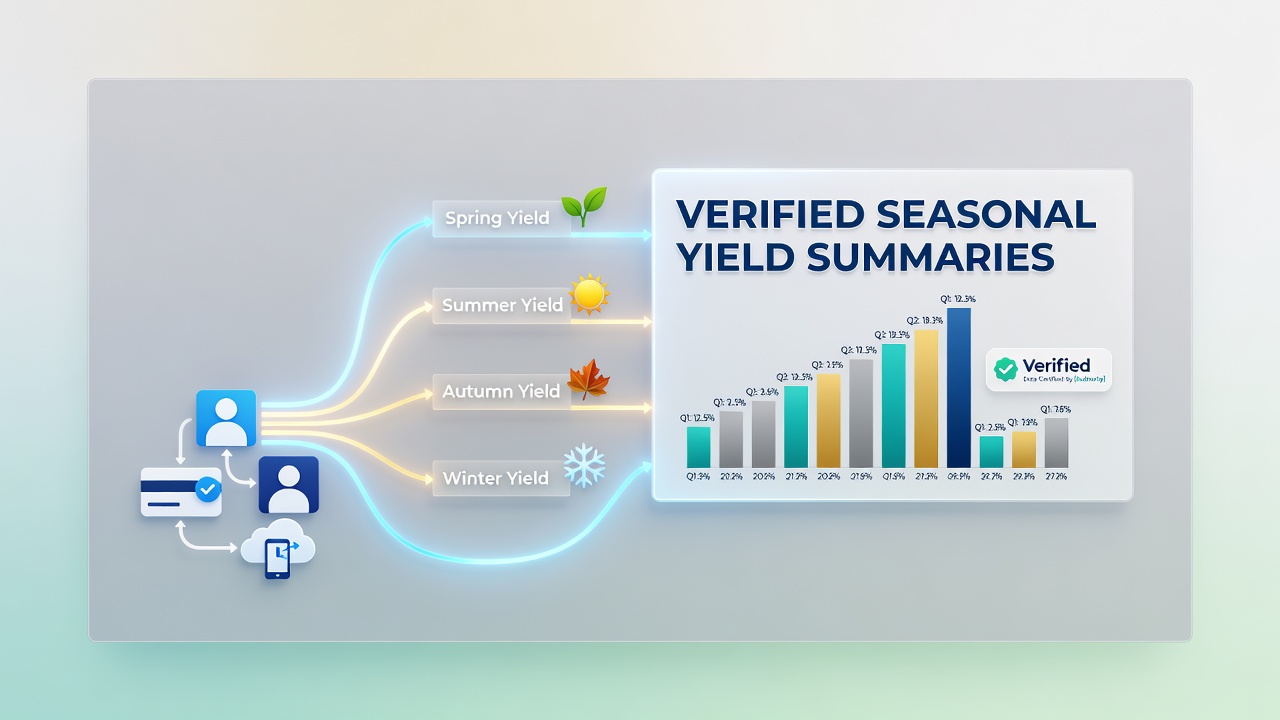
Subscription pathways in data services connect users to verified seasonal yield summaries through structured access tiers, data verification protocols, and visualization tools that aggregate information from multiple sectors including agriculture and resource management. Observers note that these pathways often begin with account registration followed by selection of specific seasonal parameters such as crop cycles or energy output periods, then progress through automated verification steps that cross-reference raw inputs against established benchmarks before delivering summarized results.
Mapping the Core Components of Subscription Access
Users navigate initial onboarding modules where basic profile details establish eligibility for tiered plans, and data from government statistical agencies shows that monthly or quarterly subscriptions account for the majority of active accounts in this field. Researchers at institutions like the Food and Agriculture Organization have documented how pathway design incorporates API integrations that pull live feeds from field sensors, satellite imagery providers, and regional reporting networks, allowing summaries to reflect conditions across diverse geographic zones without manual intervention.
Verification occurs at multiple checkpoints along the route, where algorithms flag anomalies in yield figures before human auditors review flagged entries for accuracy. This process ensures that final summaries meet standards set by industry bodies, and data indicates higher retention rates among subscribers who receive regular updates on verification status through dashboard notifications.
Seasonal Parameters and Summary Generation
Seasonal yield summaries compile metrics such as average output per hectare, variance across weather events, and comparative performance against prior cycles, with compilation routines triggered automatically at the close of each defined period. Those who study these systems find that pathways often include customizable filters allowing subscribers to isolate data by crop type, region, or climate zone, which streamlines the path from raw dataset to actionable summary report.
Integration of External Data Sources
Pathways frequently incorporate feeds from agencies like the United States Department of Agriculture and counterpart organizations in other regions, creating layered datasets that strengthen verification outcomes. In August 2026 analysts expect expanded coverage of southern hemisphere harvest periods as new satellite partnerships come online, which will extend the temporal reach of summaries available through standard subscriptions.
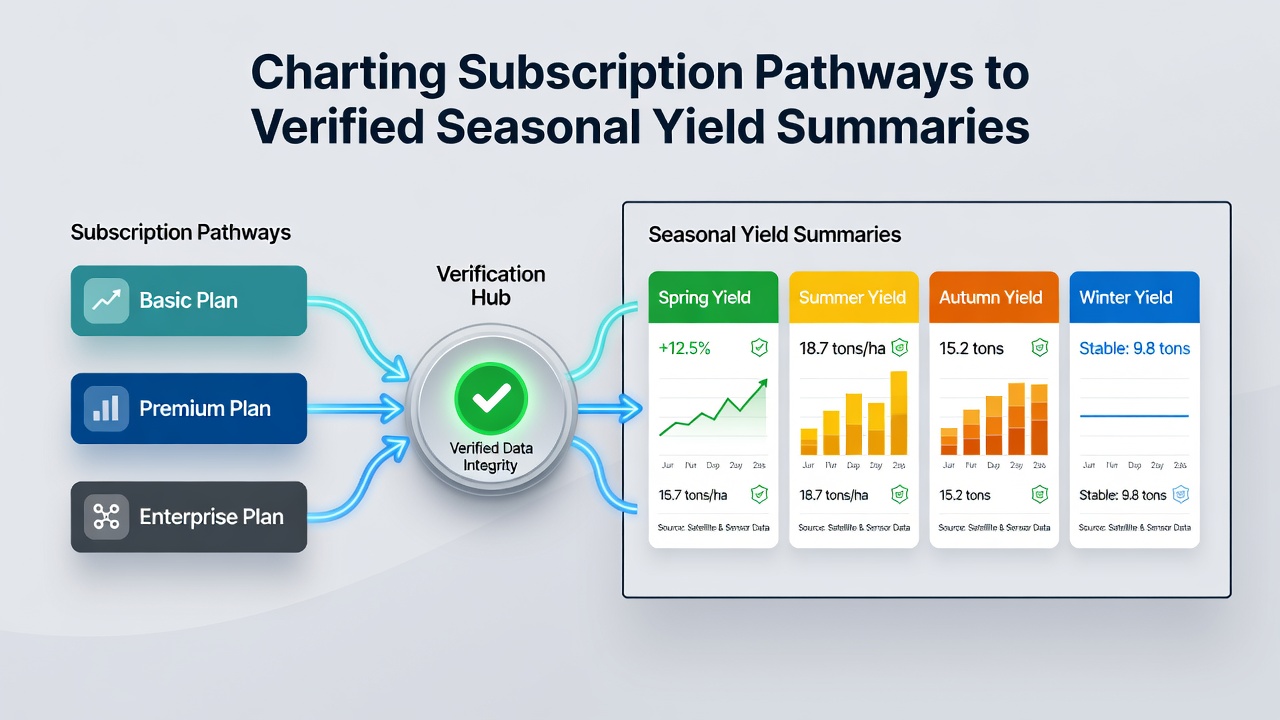
Charting tools embedded within these platforms convert verified numbers into visual formats such as line graphs, heat maps, and bar comparisons that highlight trends across consecutive seasons. Studies from academic research groups reveal that subscribers who utilize interactive charting features complete their analysis cycles faster than those relying on static PDF exports alone.
Pathway Optimization and User Navigation Patterns
Platform designers refine subscription pathways based on usage analytics that track where users pause or abandon the process, and adjustments often focus on simplifying verification consent screens or adding progress indicators. Evidence from industry reports suggests that clear pathway mapping reduces support queries by directing users toward self-service resources at each stage of summary retrieval.
Regional variations appear in pathway structures, with some services emphasizing mobile-first navigation for field operators while others prioritize desktop interfaces for institutional analysts handling large datasets. What's interesting is how these differences align with local regulatory requirements around data privacy and reporting transparency without altering the core verification logic.
Emerging Standards and August 2026 Developments
By August 2026 updates to data exchange protocols are scheduled to take effect across several major platforms, introducing standardized metadata fields that will improve interoperability between subscription services and third-party analysis tools. Observers note that these changes follow pilot programs conducted earlier in the year and aim to accelerate the delivery of verified summaries while maintaining audit trails.
Additional enhancements include expanded support for multi-seasonal overlays that let users compare yield patterns across non-consecutive periods, a feature requested frequently in feedback surveys conducted by service providers. Data from these surveys shows consistent demand for tools that surface anomalies earlier in the verification sequence.
Conclusion
Subscription pathways to verified seasonal yield summaries continue to evolve through incremental improvements in data integration, verification checkpoints, and visualization capabilities. Organizations tracking these developments report steady growth in adoption across agricultural and resource sectors as the accuracy and timeliness of summaries improve. The structure remains focused on delivering reliable outputs that meet the needs of diverse user groups while adapting to new regulatory and technological inputs.