Data Integration Across Access Tiers: Mapping Enrollment Routes to Performance Metrics and External Updates
Logan Schmid · Aug 12, 2026
Data Integration Across Access Tiers: Mapping Enrollment Routes to Performance Metrics and External Updates
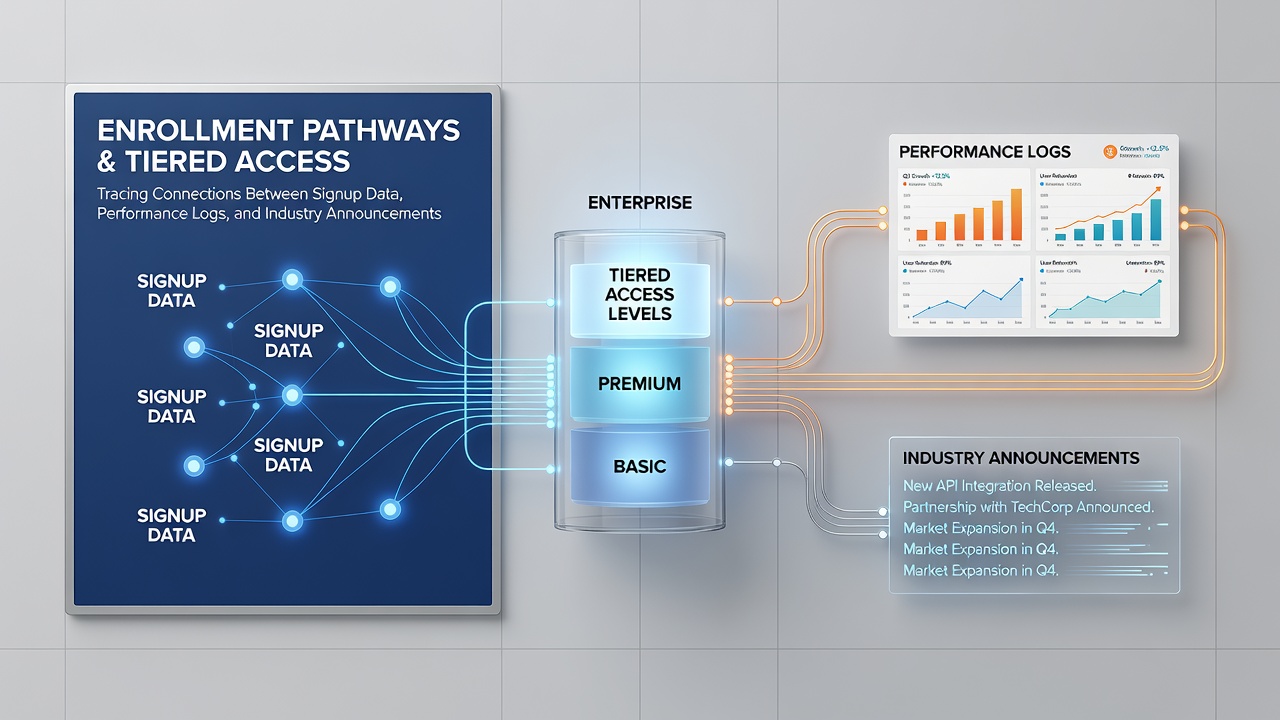
Platforms that manage membership often organize users through structured enrollment pathways which feed directly into tiered access systems, and researchers have documented how signup details combine with performance logs to reveal usage patterns over time. Data collected at registration, such as source channels and initial selections, frequently links to later activity records that track engagement levels and retention rates across different tiers.
Enrollment Pathways and Initial Data Capture
Users enter platforms via multiple routes including direct website visits, referral programs, and promotional campaigns, while each pathway records specific attributes like device type, geographic indicators, and time of entry. Studies from research institutions show these early data points often correlate with subsequent behavior once users move into assigned access tiers, and analysts note that platforms maintain logs to monitor progression through levels without relying on single-point metrics alone.
Performance logs accumulate details on login frequency, feature utilization, and outcome tracking, yet connections to original signup information allow administrators to identify which enrollment channels produce higher activity within premium tiers. Observers note that this integration supports adjustments to access rules, and industry reports indicate such linkages help refine tier boundaries based on observed trends rather than assumptions.
Linking Logs to Tier Progression
Tiered access typically divides users into categories with varying feature availability, and performance data determines movement between levels through predefined thresholds. Figures from platform analyses reveal that users entering via certain pathways reach higher tiers at different rates compared to others, while logs capture granular details like session duration and interaction depth that feed into these calculations.
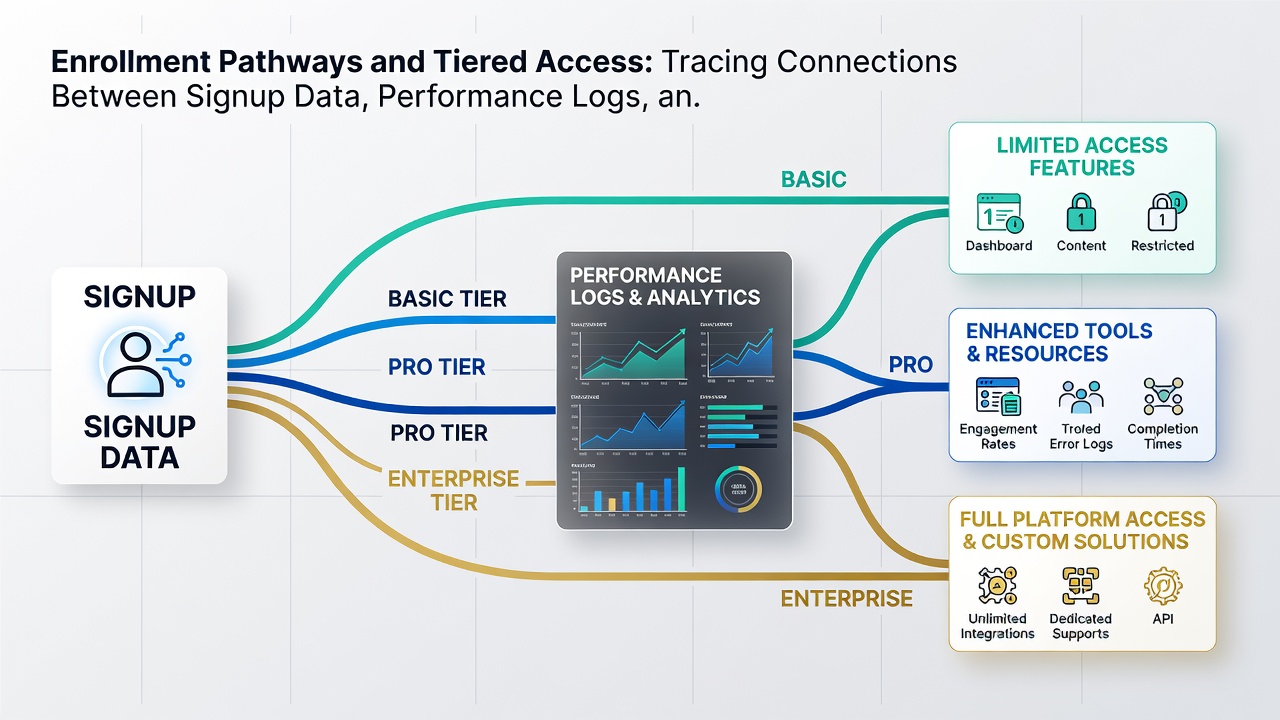
August 2026 brought several platform updates that adjusted tier criteria in response to aggregated log data, and external announcements from sector organizations highlighted similar shifts across multiple services. Those who've examined these patterns observe that signup sources influence how quickly users accumulate the metrics required for advancement, creating traceable pathways from entry to elevated status.
Industry Announcements and Data Correlations
Announcements from regulatory bodies and trade groups often reference aggregated industry statistics on membership structures, and one such report from the Australian Gambling Research Centre detailed how enrollment data intersects with performance indicators to inform policy discussions. Platforms incorporate these external updates into internal reviews, adjusting tier parameters while maintaining connections between signup origins and ongoing activity records.
Canadian provincial oversight agencies have published comparable findings on access management, noting that integrated data systems allow for precise tracking of user movement across tiers without exposing individual details. What's interesting is how announcements timed around mid-2026 aligned with platform-side log reviews, enabling operators to benchmark their enrollment pathways against broader sector movements.
Academic papers from university research teams further explore these connections, with one study examining datasets that link initial registration variables to long-term performance outcomes in tiered environments. The analysis demonstrated measurable differences in progression speeds based on entry routes, and researchers emphasized the value of combining internal logs with publicly released industry figures for comprehensive understanding.
Practical Examples from Platform Operations
One documented case involved a service that traced elevated retention rates back to specific referral-based enrollment pathways, using performance logs to validate tier assignments and refine access rules accordingly. Another instance showed how announcements regarding regulatory changes prompted immediate cross-checks between signup data and activity metrics to ensure compliance across all user levels.
These examples illustrate the operational reality where data flows connect enrollment details to tier management, and external updates serve as reference points for ongoing calibration. Observers note that platforms maintain these linkages to support accurate reporting and system adjustments over extended periods.
Conclusion
Enrollment pathways supply foundational data that merges with performance logs to shape tiered access decisions, while industry announcements provide contextual benchmarks that influence platform practices. The connections traced through signup sources, activity records, and external updates create a framework for monitoring and refining membership structures across evolving conditions.