From Application to Archive: The Lifecycle of Participation in Monitored Wagering Strategy Networks
Jakob Russell · Oct 21, 2026
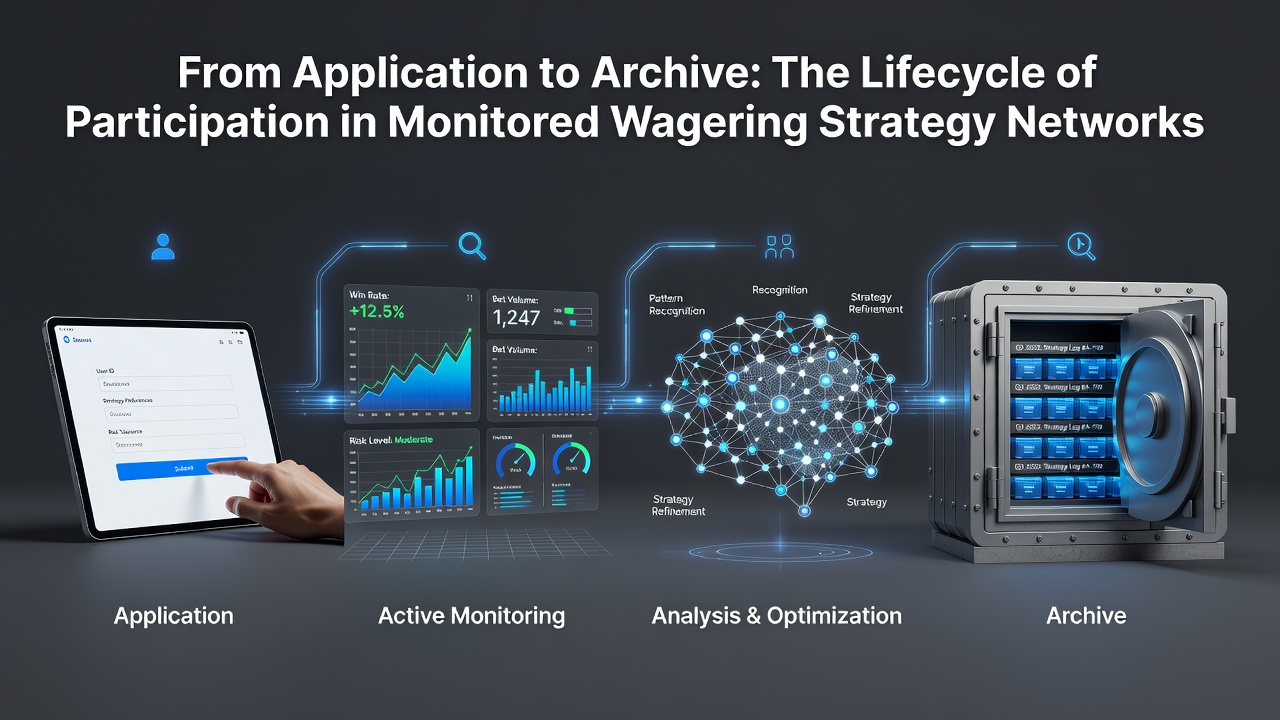
From Application to Archive: The Lifecycle of Participation in Monitored Wagering Strategy Networks
Monitored wagering strategy networks operate as structured systems that track participant activity from initial entry through to long-term data retention, and observers note these frameworks rely on sequential phases that collect performance metrics while maintaining compliance with oversight protocols. Researchers have documented how applicants begin the process by submitting detailed profiles that include betting history, risk tolerance parameters, and verification documents, after which network administrators evaluate submissions against established criteria before granting access.
Entry and Verification Phase
During the application stage participants provide evidence of prior wagering experience along with financial disclosures, and data indicates this step filters entries to align with network standards for strategy consistency. Studies from academic institutions such as those published through the University of Nevada's gaming research division reveal that verification timelines typically span several weeks, during which cross-checks occur against external databases to confirm identity and transaction legitimacy. Once approved, new members receive access credentials that activate monitoring tools designed to log every wager placed under the network's umbrella.
Active Monitoring and Data Collection
Active participation follows approval, at which point real-time tracking systems record bet selections, stake amounts, and outcome results while algorithms flag deviations from predefined strategy models. Data shows these monitoring layers generate daily reports that participants review through secure portals, and industry reports from the Canadian Gaming Association highlight how such oversight helps maintain uniform performance standards across thousands of active accounts. In October 2026 updates to international data protocols are expected to influence how networks handle cross-border participant information, requiring adjustments to encryption methods used during transmission of betting records.
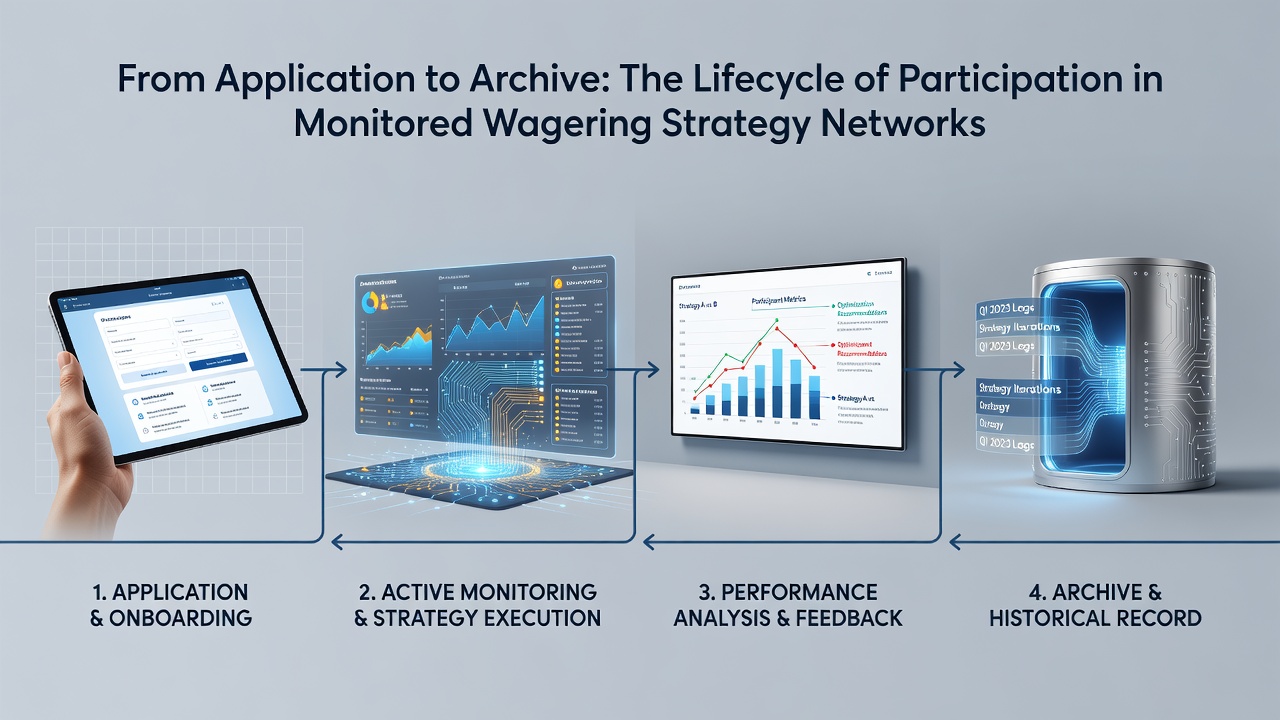
Participants often discover that ongoing engagement involves periodic strategy reviews where network analysts compare individual results against aggregate benchmarks derived from the broader membership pool. Those who've studied these systems know that adjustments to wager parameters can occur at this stage if patterns suggest underperformance, yet the core monitoring continues uninterrupted to preserve historical continuity. What's interesting is how the networks integrate external benchmarks, such as those drawn from regulatory filings by bodies like Australia's state gambling authorities, to contextualize member activity within wider market trends.
Review Cycles and Performance Tracking
Review cycles occur at fixed intervals, usually quarterly or semi-annually, when comprehensive audits compile statistics on win rates, drawdowns, and adherence to risk limits. Evidence suggests these evaluations rely on both automated scoring and manual oversight by network specialists who examine outliers for potential strategy refinements. Participants receive summaries that detail their standing relative to group averages, and this feedback loop supports continued participation while feeding additional data into the central repository.
Archiving and Long-Term Retention
Archiving represents the final stage, where records transition from active databases to secure long-term storage after a predetermined period of inactivity or upon member request for withdrawal. Retention policies dictate that anonymized datasets remain accessible for regulatory audits and academic research, while personal identifiers undergo removal according to privacy frameworks established in multiple jurisdictions. Reports from the European Gaming and Betting Association indicate that archived materials often serve as training resources for new algorithm development, allowing networks to refine future monitoring processes based on historical patterns observed over several years.
Conclusion
The complete lifecycle demonstrates how monitored wagering strategy networks balance participant engagement with systematic data management from application through archival stages. Regulatory shifts expected around October 2026 may further standardize retention durations and access protocols across regions, ensuring these systems continue to support transparent performance tracking while meeting evolving compliance requirements.