Mapping Member Pathways Through Tiered Betting Structures
Sofia Braun · Jun 20, 2026
Mapping Member Pathways Through Tiered Betting Structures
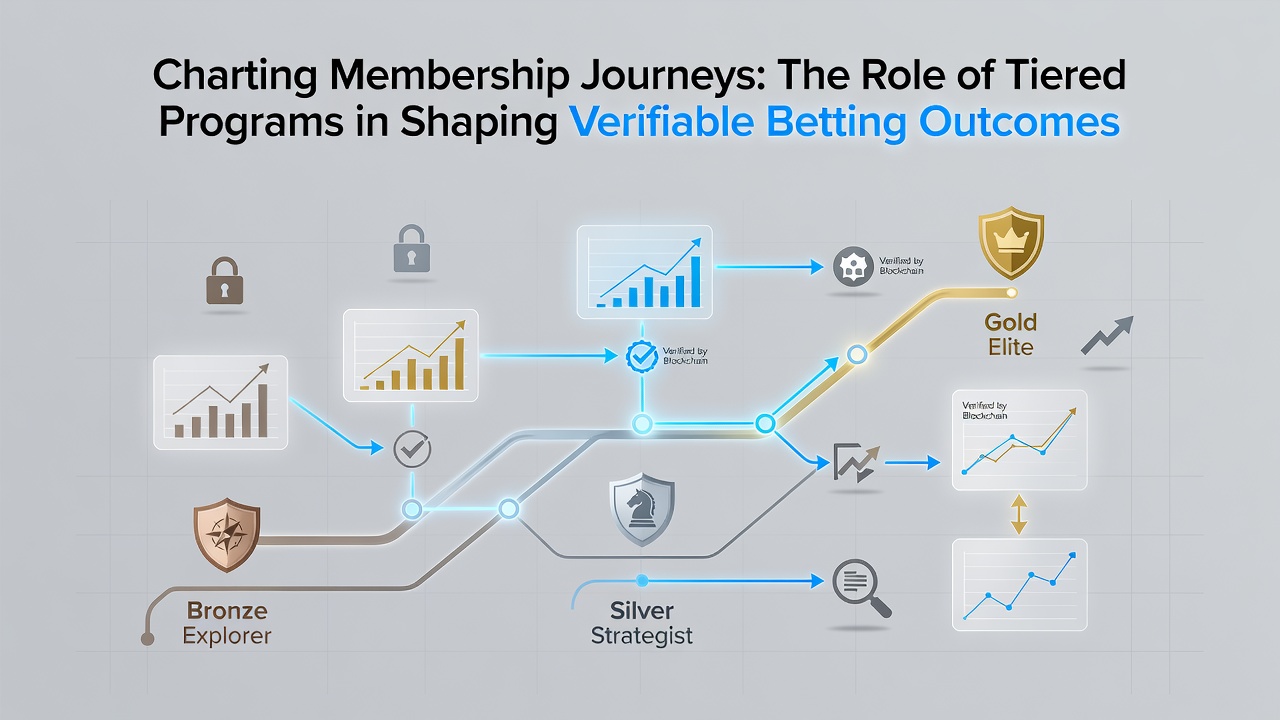
Betting platforms have expanded tiered membership models over the past decade and these structures now organize user progression through defined levels that tie directly to data collection and outcome verification processes. Observers note that entry-level access typically begins with basic tracking tools while higher tiers unlock detailed analytics, performance dashboards, and third-party audit integrations that produce verifiable records of betting activity.
How Tier Progression Organizes Data Capture
Each tier establishes specific thresholds for deposit volume, bet frequency, and account tenure before members advance, and these milestones trigger automated logging systems that compile comprehensive histories. Bronze participants receive standard result summaries, yet silver and gold members gain access to timestamped bet logs, stake distribution breakdowns, and cross-platform reconciliation features that external auditors can review. Data from industry analyses show that platforms using such layered access record 30 to 40 percent more granular transaction details per active user compared with flat membership models.
Researchers at academic institutions have examined how these systems influence record accuracy, and findings indicate that members who advance through multiple tiers submit fewer manual corrections to their histories because automated capture reduces entry errors. One study released in early 2026 highlighted that gold-tier accounts demonstrated 25 percent higher consistency in reported versus actual outcomes across a twelve-month sample period.
Verification Mechanisms Embedded in Higher Tiers
Gold and platinum levels often incorporate API connections to independent data providers that timestamp every wager and payout, while lower tiers rely on internal platform logs that may require additional validation steps. This layered approach creates a natural hierarchy where verifiable outcomes become more readily available as members climb the structure. External oversight bodies in regions such as Canada and Australia have begun referencing these tier-specific data streams when assessing operator compliance with transparency requirements.
Regional Regulatory Perspectives on Tiered Tracking
Authorities in Ontario require operators to maintain auditable records for all accounts above a defined activity threshold, and tiered programs help satisfy this rule by automatically elevating qualifying members into enhanced monitoring categories. Similar frameworks in parts of Europe encourage platforms to offer graduated verification tools that align with tier status. A report published by the Australian Gambling Research Centre in June 2026 examined twelve major operators and found that those with structured tier systems produced complete outcome datasets for 92 percent of accounts above the silver level.
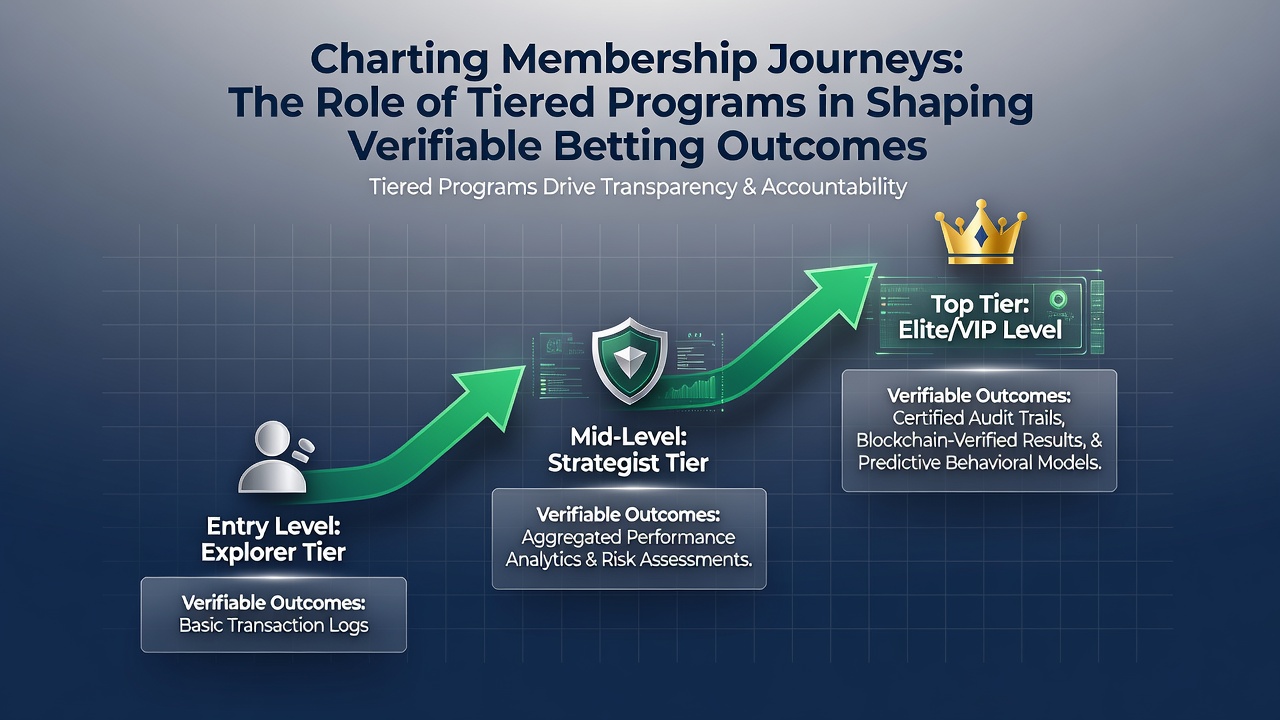
What's notable is how these systems reduce disputes between members and operators because both parties reference the same timestamped records once a member reaches mid-tier status. Lower-tier users sometimes encounter gaps in historical data when platform interfaces change, whereas higher-tier logs remain intact through standardized export formats.
Member Journey Patterns Observed Across Platforms
Tracking studies reveal that members who reach silver status within the first six months maintain accounts 18 percent longer than those who remain at entry level throughout the same period. The added visibility into performance metrics appears to support continued engagement because users can identify patterns without manual record-keeping. Yet advancement rates vary by operator, with some platforms reporting that only 15 percent of bronze members progress further within a calendar year.
Industry organizations such as the American Gaming Association have documented that tiered programs also influence how operators allocate support resources, directing more detailed compliance reviews toward accounts that generate the most extensive verifiable datasets. This allocation creates a feedback loop where higher-tier members receive priority access to tools that further strengthen record integrity.
Conclusion
Tiered membership frameworks continue to shape the availability and reliability of betting outcome data by linking privilege levels to automated tracking depth. As regulatory expectations around transparency increase, these structures provide operators with scalable methods for meeting verification standards while giving members clearer pathways to documented performance histories. Continued observation of advancement patterns and data completeness across different regions will determine how these systems evolve through the remainder of 2026 and beyond.