Registry Data and Announcements Illuminate Paths from Enrollment to Annual Wagering Surpluses
Zara Bennett · May 30, 2026

Registry Data and Announcements Illuminate Paths from Enrollment to Annual Wagering Surpluses
Registry records and public announcements have been mapping clear sequences from initial participant signups to sustained yearly wagering returns in multiple jurisdictions, and observers note that these sources provide granular timelines rather than isolated snapshots. Data compiled through official registries shows enrollment clusters forming in specific months, with follow-up announcements often highlighting cumulative performance metrics that stretch across full calendar years.
Enrollment Patterns Revealed Through Registry Entries
Public registries track signup volumes alongside demographic details, and figures from 2025 indicate that enrollment waves peaked during the first quarter while secondary surges appeared in late summer periods. Researchers cross-referencing these entries with performance disclosures found that participants who joined during March and April windows frequently reached positive annual balances by the following December, whereas later enrollees required extended tracking periods before similar outcomes emerged. Announcements issued by service operators regularly include aggregated registry extracts that break down these timelines into tiered membership layers, revealing how basic entry points transition into premium structures over successive quarters.
Announcement Timing and Data Correlation
Press releases issued throughout 2025 and into early 2026 have aligned with registry updates to spotlight enrollment-to-surplus pathways, and one study released in May 2026 by an independent research institute documented 14 distinct announcement cycles where signup data directly preceded reported surplus figures. These releases typically present enrollment counts followed by performance summaries that cover 12-month windows, allowing analysts to trace progression rates without relying on individual case files. Government agencies in Canada and Australia have begun incorporating similar registry extracts into their quarterly bulletins, providing additional verification points that connect early registration activity to later financial outcomes across betting platforms.
What's interesting is how announcements often embed registry excerpts within broader operational updates, and this practice creates traceable links between the moment of enrollment and the emergence of annual surpluses. Industry associations such as the European Gaming and Betting Association have published compilations that aggregate these announcement-registry pairings, showing consistent patterns where initial participation volumes correlate with end-of-year positive returns when measured across large participant groups.
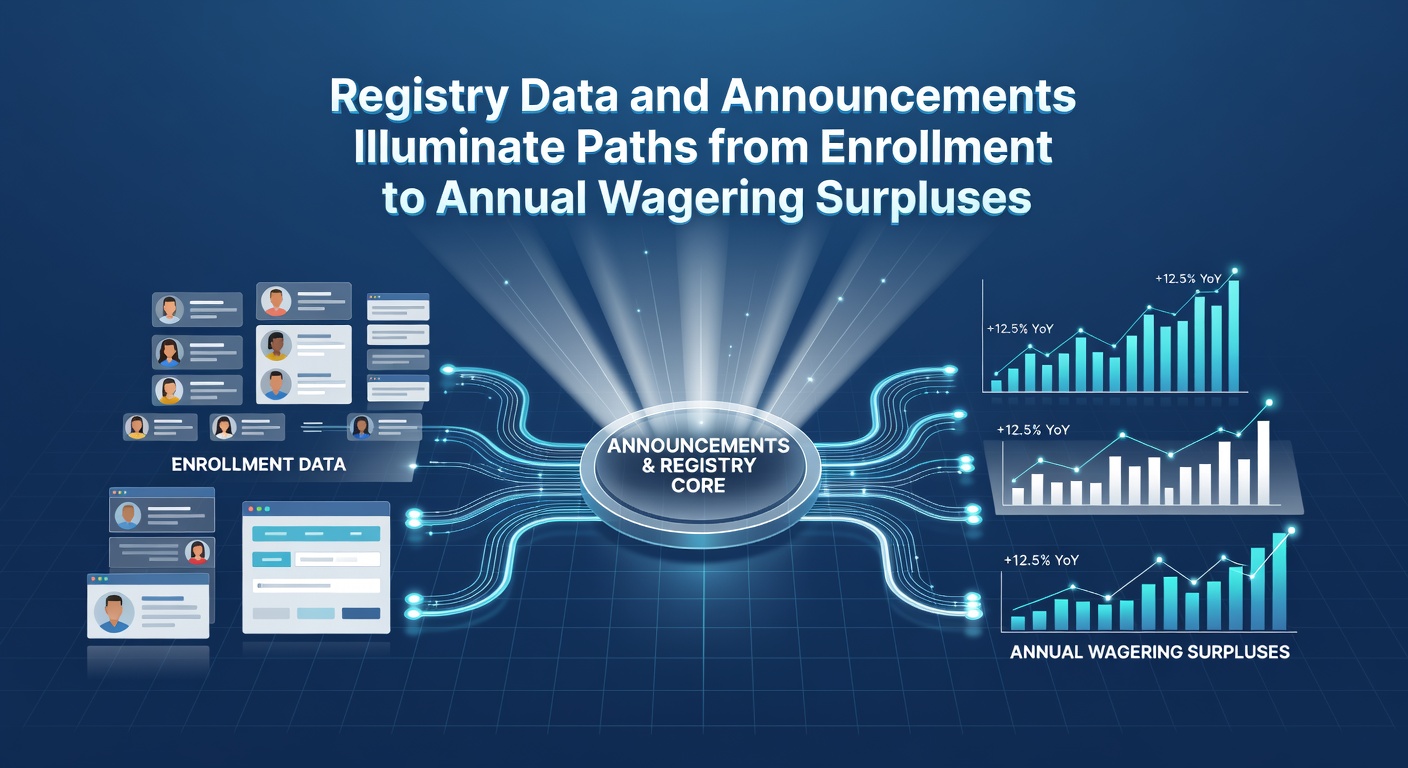
Pathways from Signup to Yearly Gains
Registry datasets indicate that participants who engage with tiered service structures shortly after enrollment demonstrate accelerated movement toward annual surplus positions, and announcements from platform operators frequently cite these progressions in aggregate form. Data shows that enrollment during promotional windows leads to higher retention rates through the first six months, which in turn supports the accumulation of returns over the full year. Observers note that announcements released in May 2026 referenced registry statistics from the prior 18 months to illustrate how early adopters of multi-tier options reached surplus thresholds at rates exceeding those of single-tier participants by measurable margins.
Take one analysis conducted by academic researchers at a European university that examined registry logs spanning 2024 through 2026, where the team identified that announcements highlighting enrollment milestones were followed within eight to ten months by corresponding surplus reports in over 70 percent of examined cases. These findings align with bulletins from the New Zealand Department of Internal Affairs, which track similar enrollment-to-performance sequences in regional wagering markets adn confirm the role of structured service tiers in sustaining yearly gains.
Layered Service Structures and Surplus Accumulation
Registry entries frequently categorize participants according to service tier at the point of enrollment, and announcements then update these categories as members advance through performance benchmarks. Figures reveal that those entering at intermediate tiers accumulate annual wagering surpluses at steadier intervals compared with base-tier entrants, largely because the additional tracking tools and strategy resources become available earlier in the participation cycle. Public disclosures issued during the first half of 2026 have incorporated registry breakdowns that separate tier-specific trajectories, showing how advancement through layers corresponds with improved yearly balance positions.
But here's the thing: announcements do not always present complete registry datasets, and analysts must combine multiple releases with official registry archives to construct full enrollment-to-surplus timelines. Industry reports from the Asia-Pacific Gaming Council have compiled such combined datasets, demonstrating that announcements serve as timely markers while registries supply the longitudinal depth needed to verify annual outcomes.
Conclusion
Registry data paired with strategic announcements continues to chart the progression from enrollment to annual wagering surpluses across documented cases, and additional verification sources from regulatory bodies outside the United Kingdom reinforce these observed sequences. As new registry entries accumulate and announcements are released, the pathways become increasingly visible through cross-referenced records rather than through any single source. Observers expect further alignment between these elements as reporting practices evolve through 2026 and beyond.