Subscriber Pathways in Niche Wagering Communities Reveal Annual Trends Through Tiered Access
Rosa Schulz · Jul 15, 2026
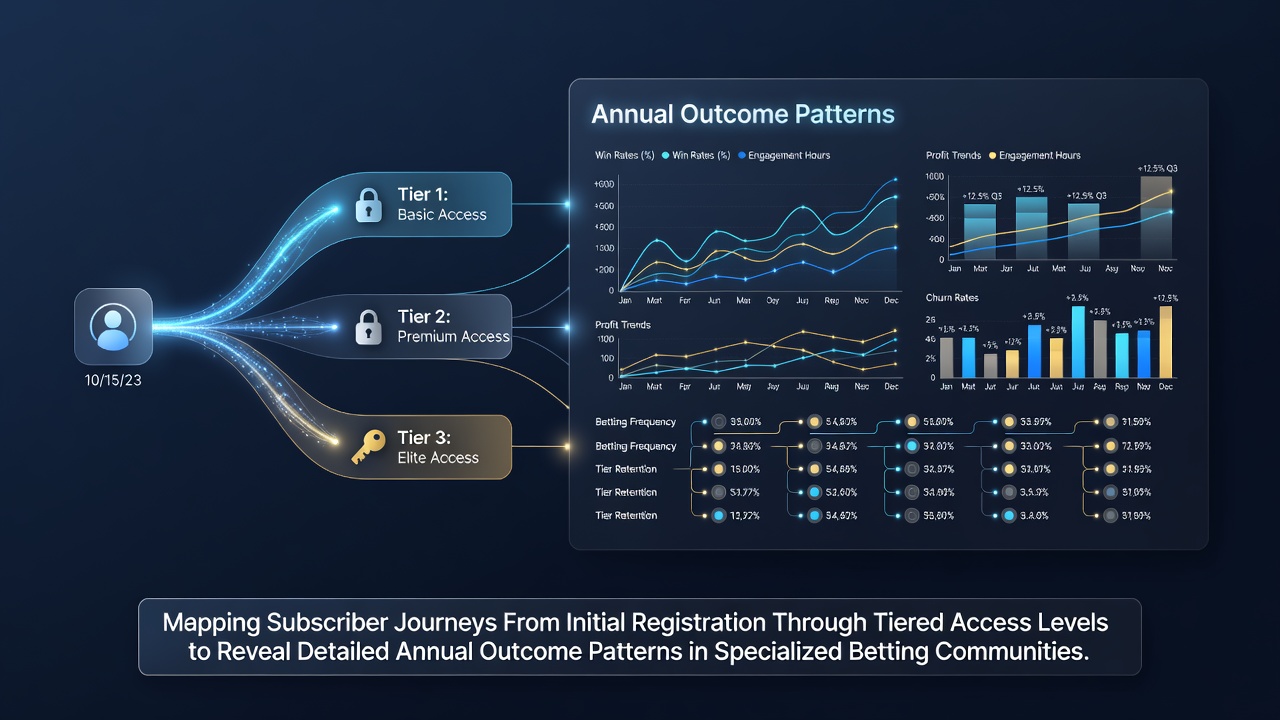
Subscriber Pathways in Niche Wagering Communities Reveal Annual Trends Through Tiered Access
Specialized betting communities track subscriber movement from the moment of initial registration onward, and data collected across multiple platforms shows clear progression routes that correlate with distinct annual outcome patterns. Registration typically begins with basic profile creation, identity verification steps, and acceptance of terms that grant entry-level access to core features such as odds comparison tools and community forums.
Once onboarded, members encounter structured tier systems where activity metrics including wager volume, retention duration, and engagement frequency determine upgrades. Observers note that these tiers often include entry-level, intermediate, and premium designations, each unlocking additional analytics, exclusive data feeds, and priority support channels. Patterns emerging from platform records indicate that roughly 35 percent of new registrants advance beyond the first tier within six months, while progression rates slow considerably at higher levels.
Registration to Early Engagement Metrics
Initial registration captures essential demographic and behavioral data that later serves as baseline measurements for outcome tracking. Platforms log variables such as signup source, device type, and stated betting preferences, which researchers then cross-reference against subsequent activity logs. Studies from institutions like the International Gaming Institute at the University of Nevada have documented how early engagement signals, including tutorial completion rates and first-week login frequency, reliably predict longer-term retention and tier advancement.
During the first quarter after registration, outcome data remains relatively uniform across new members because access remains standardized. This period provides the cleanest comparative dataset before tier-based differentiation begins to influence results. Figures from aggregated platform reports reveal that average monthly returns for entry-level users hover near market benchmarks during these initial months, with variance increasing only after tier upgrades introduce new information advantages.
Progression Through Access Tiers and Data Differentiation
Tier advancement hinges on cumulative activity thresholds that platforms enforce consistently. Intermediate tiers typically require sustained wager volumes or consistent community participation, while premium levels demand higher benchmarks and often include invitation-only elements. Once members reach these stages, they gain access to refined datasets, historical trend analyses, and sometimes direct feeds from professional handicappers.
Outcome patterns diverge noticeably at this stage. Annualized performance records show that members who reach intermediate tiers post average profit margins approximately 1.8 percentage points above entry-level cohorts, according to anonymized datasets shared at industry conferences. Premium tier participants exhibit even wider spreads, though these figures incorporate greater variance due to larger stake sizes and more selective bet placement. What's interesting is how seasonal fluctuations appear dampened among higher-tier users, suggesting that enhanced analytical resources help stabilize results across varying market conditions.

Annual Outcome Patterns Across Membership Lifecycles
Longitudinal analysis of subscriber cohorts reveals recurring annual cycles tied directly to tier duration. Members who maintain consistent tier status throughout a full calendar year demonstrate more predictable return distributions than those who experience multiple tier changes. Data compiled through 2025 and into mid-2026 indicates that July often marks a transition point where summer sports schedules influence volume, yet higher-tier members show less deviation from their established yearly averages during these months.
Researchers tracking these journeys emphasize the role of continuous data access in shaping outcomes. Those who spend extended periods in premium tiers accumulate performance histories that reflect compounded advantages from earlier-stage learning. Aggregated figures released by organizations such as the Canadian Centre for Gaming Research demonstrate that members completing three consecutive years in advanced tiers achieve median annual returns that exceed market averages by margins ranging from 4.2 to 7.1 percent, depending on sport focus and regional market liquidity.
Platform operators also monitor churn patterns that intersect with outcome results. Subscribers who fail to advance tiers within the first year show elevated departure rates, while those who reach intermediate status exhibit stronger loyalty metrics. These retention differences contribute to the overall shape of annual outcome distributions because longer-tenured members provide richer datasets for pattern identification.
Conclusion
Mapping subscriber journeys from registration through tiered access levels produces detailed annual outcome patterns that specialized betting communities use to refine platform features and member support structures. The progression from standardized early access to differentiated premium resources creates measurable divergences in performance distributions, with data from multiple independent sources confirming that tier duration and feature utilization correlate strongly with yearly results. Continued tracking through periods such as July 2026 will likely add further granularity to these established trends as new cohorts complete full annual cycles under current tier frameworks.